


Golden Days: 1920s to 1960s
Chapter 2

In Golden Days, radio becomes a vital part of the family home and a reliable round-the-clock source of news, sport and entertainment.
Radio becomes a true cultural force. An accompaniment to daily life, it entertains us with children’s clubs, Australia’s Amateur Hour, early soaps like Dad and Dave, and the first audio thrillers – long before true crime podcasts.
The arrival of television forces adaptation: radios shrink from bulky pieces of furniture to portable transistors. In the 40s, Australians turn to radio for the most up-to-date news and pioneering women make their voices heard with radio dramas such as those from Grace Gibson Productions. By the 60s, popstars have emerged and broadcaster Binny Lum shines as Beatlemania grips the nation. The Golden Days are here.
 Radio 100: 100 years in 100 daysLet's Get Digital: 1990s to now
 Chapter 1New Waves: 1923 to 1935
 Chapter 2Golden Days: 1920s to 1960s
 Chapter 3Youthquake: 1950s to 1980s
 Chapter 4All the Voices: 1970s to now
 Return to Radio 100Radio 100

Read: Radio's meteoric rise
Radio becomes central to Australian life, shaping media and celebrity.
Image: Nina Valentine, 3BA.
.jpg?rect=1,0,959,532&w=640&h=355&auto=format)
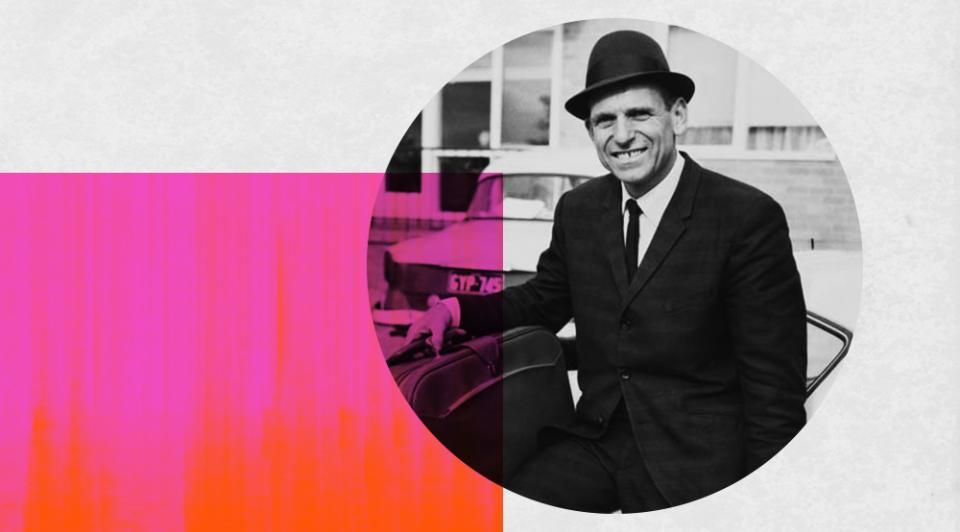
In the late 1940s and early 1950s, an Aussie Clark Kent voiced by Brisbane native Leonard Teale (TV’s Homicide) could be heard fighting the forces of evil on 2GB.
It’s a Bird… It’s a Plane… It’s an Australian Superman! Meet the homegrown version of the Man of Steel.
In the late 1940s and early 1950s, an Aussie Clark Kent voiced by Brisbane native Leonard Teale (TV’s Homicide) could be heard fighting the forces of evil on 2GB.

Running from 1940 to 1958, Australia’s Amateur Hour was a radio talent show – it put a spotlight on First Nations performers and people from diverse cultural backgrounds, and featured appearances from Johnny O'Keefe, Jimmy Little, Frank Ifield and duo Olive and Eva. Approximately 60 episodes out of the 925 that aired are in the NFSA collection.
Before Australia’s Got Talent, The X-Factor and The Voice there was Australia’s Amateur Hour – the biggest radio show of the 1940s.
Running from 1940 to 1958, Australia’s Amateur Hour was a radio talent show – it put a spotlight on First Nations performers and people from diverse cultural backgrounds, and featured appearances from Johnny O'Keefe, Jimmy Little, Frank Ifield and duo Olive and Eva. Approximately 60 episodes out of the 925 that aired are in the NFSA collection.
Episode 2
Golden Years
As we emerged from the Great Depression, radio became the heartbeat of the nation. By 1937, a mere 15 years after its official launch in Australia, radio claimed pride of place in two of every three homes. These were the Golden Years, when families gathered to listen to sports, soaps, serials, dramas and side-splitting comics. The era was short but profoundly influential, creating a generation of stars – many of whom would transition to television – and laying the foundations of our 21st-century media landscape.
Golden Days: tech inspection
The NFSA digs into its collection to share radios, receivers and mixing consoles from the 1930s to 1950s.


‘In the years after the first commercial broadcast in 1923, Australia embraced radio – fast. At first, it was an expensive novelty, but by 1937, not even 15 years later, two out of every three homes had a radio set.’
— Golden Days: Radio's Meteoric Rise
Serials for morning, noon and night
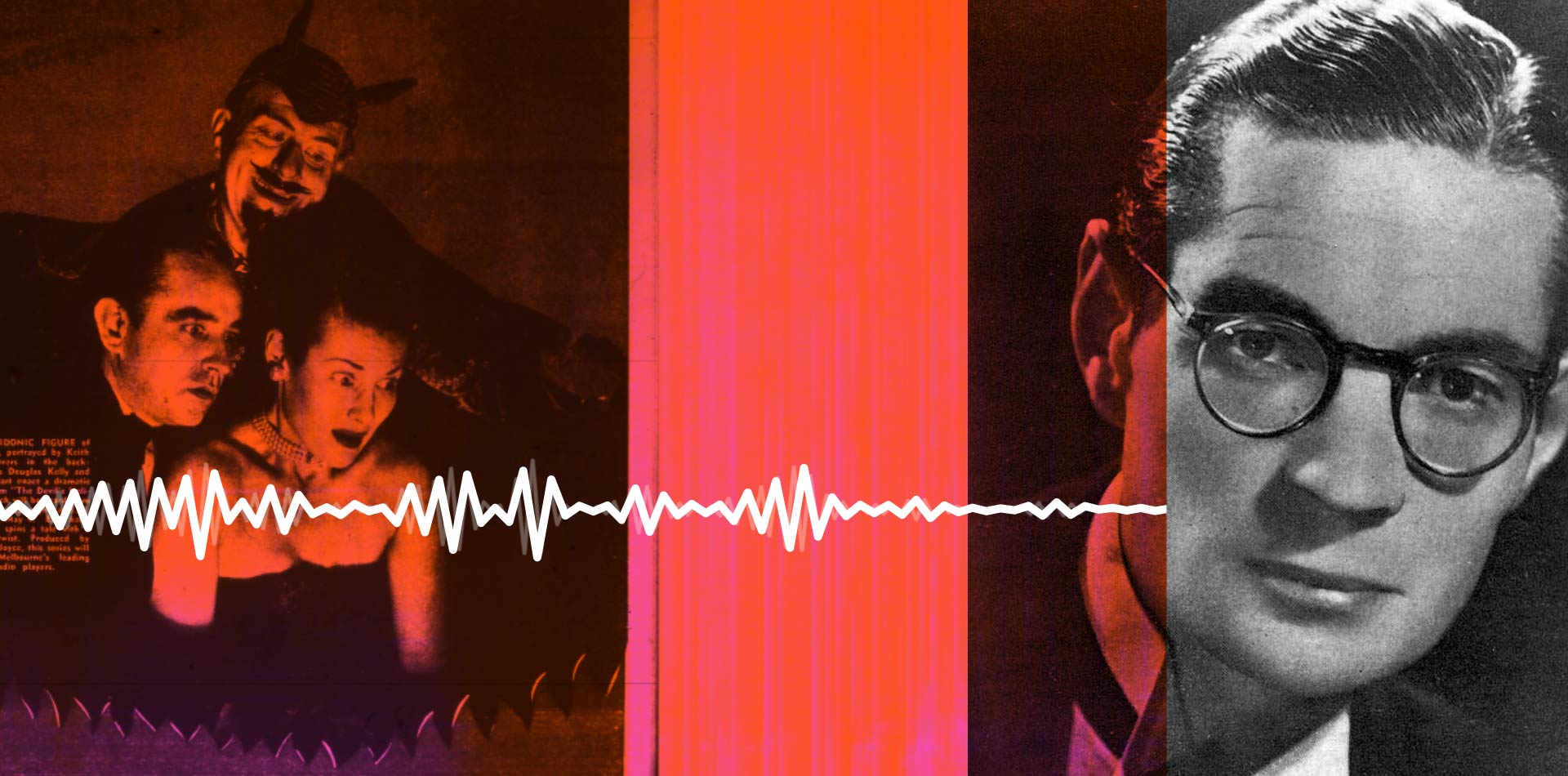
From comedy to horror and gripping drama, Australians turned on their radios every day to catch up on the latest from their favourite serial – many of which put female audiences, performers and writers front and centre.
.png?w=1920&h=950&auto=format)
Read: Horror radio serials
Dark, macabre serials kept radio audiences across Australia coming back for more.


History is captured as it's happening, a rare quality among radio broadcasts of the period. It's that for that reason, as much as the event itself, that this recording is of such historic significance.
War is over
On 15 August 1945, the Japanese Empire surrendered to the Allies, ending hostilities in the Pacific – the Second World War was over. 3DB announcer Eric Welch ventured onto the streets of Melbourne to capture the historic moment as millions gathered to celebrate victory.
What this recording captures – more than the newsreels or newspaper accounts of the day – is the sense of unrestrained joy felt by the ordinary Australians who can be heard in the background: laughing, cheering and told repeatedly by Welch himself not to jump onto the outside broadcast van lest it fall over.
History is captured as it's happening, a rare quality among radio broadcasts of the period. It's that for that reason, as much as the event itself, that this recording is of such historic significance.

Rewind and rediscover.
Enjoy surprising and moving moments from Australia’s screen and sound history with In Focus – delivered straight to your inbox every month.

Thought to be part of an unidentified 2GB broadcast, this recording was made in Anthony Horden's Department Store in Sydney in the mid-40s and features three children aged three, five and six who get to meet with Santa Claus and explain what they want for Christmas.
In 1946, three children get to visit ‘Santaland’ in a Sydney department store and meet Mr Claus himself.
Thought to be part of an unidentified 2GB broadcast, this recording was made in Anthony Horden's Department Store in Sydney in the mid-40s and features three children aged three, five and six who get to meet with Santa Claus and explain what they want for Christmas.

Broadcasting from the top of the State Theatre, ‘Sydney Always on the Air’ provided a 24-hour service that covered everything from comedy segments and music, to horse-racing, news reports about the Australian Women's Army Service (AWAS) during the Second World War, and the building of the Burma-Thailand railway.
A selection of segments from 2UW’s Sydney Always on the Air – a 24/7 news, education and entertainment service.
Broadcasting from the top of the State Theatre, ‘Sydney Always on the Air’ provided a 24-hour service that covered everything from comedy segments and music, to horse-racing, news reports about the Australian Women's Army Service (AWAS) during the Second World War, and the building of the Burma-Thailand railway.

Read: essential moments from radio's golden days
What were Australians tuning in to during radio’s golden era, and who created the hits?


Interview with a curator
'I’ve enjoyed researching and recognising just how significant radio has been in all our lives over the years, how resilient and adaptable radio is and how it has found, built, and maintained diverse communities.'
Thorsten Kaeding reveals what he unearthed through Radio 100, including the pros and cons of the immediacy of radio, how it paved the way for television, why more people need to know about the role of women during the Golden Days, and more.


Sir Laurence Olivier and Vivien Leigh farewell Australia
‘The content on early television such as drama, game shows, variety, comedy and news were all pioneered in radio from the 1930s to the 1960s, and much of today’s TV content still harks back to those formats.’
— Thorsten Kaeding Radio 100 curator
Golden Days: radio ephemera
An online time capsule featuring photographs, programs, advertisements and personalities from the Golden Days of radio.


Main image: Radio drama actors (from left to right): Beryl Walker, Margaret Johnston, Elizabeth Wing, Margaret Mouchemore and Patricia Kennedy. From the Grace Gibson radio documentation collection.