We acknowledge Australia’s Aboriginal and Torres Strait Islander peoples as the Traditional Custodians of the land on which we work and live and give respect to their Elders, past and present.

Read our Statement of Reflection

Your Cart

Your cart is empty right now...

Discover what's on
Your Stuff
Lists
No lists found
Create list
List name
0 Saved items
Updated: a few seconds ago
Getting Started
Get started with Your Stuff

A free Your Stuff account allows you to save, list and share your favourite collection items and articles. This account will give you access to Your Stuff, NFSA Player and Pro. You will need to create an additional account for Canberra event tickets.

Confirm
Skip to main content
National Film and Sound Archive of AustraliaNational Film and Sound Archive
National Film and Sound Archive of Australia
National Film and Sound Archive
National Film and Sound Archive of Australia
National Film and Sound Archive

Yothu Yindi's 'Treaty'

From Yirrkala to the Olympic Stage

Remembering 'Treaty', Yothu Yindi's powerful and iconic protest song from the 1990s.

Written by Nick Henderson
13 July, 2016
2 minute read

Warning: this article contains names, images and voices of deceased Aboriginal and Torres Strait Islander people.

A history-making Collaboration

On 14 July 1991, a remix of Yothu Yindi’s ‘Treaty’ became the first song by an Aboriginal band to reach the mainstream pop singles chart in Australia, peaking at No. 11 in September 1991. This achievement followed the earlier chart success of Indigenous solo singers such as Jimmy Little and Lionel Rose.

Yothu Yindi collaborated with Paul Kelly and Peter Garrett in writing ‘Treaty’, which was included on the band’s second album, Tribal Voice (released October 1991).

The song was a powerful protest against the lack of a treaty with Australia’s Aboriginal and Torres Strait Islander peoples, promised by Prime Minister Bob Hawke’s signing of the Barunga Statement in 1988.

The first pop song ever to be sung in a Yolngu Matha language, ‘Treaty’ draws on the djatpangarri style of music that was pioneered in Yirrkala, in the Northern Territory, from the late 1930s.

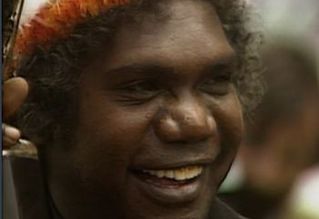
Yothu Yindi performing their song 'Treaty'.

CHART SUCCESS AND CRITICAL ACCLAIM

While the album version received limited exposure on radio and television, the subsequent Filthy Lucre dance remix by DJs Gavin Campbell, Robert Goodge and Paul Main was a hit. Tribal Voice peaked at No. 3 in the album charts in June 1992, selling more than 140,000 copies and achieving double platinum status.

The popularity and significance of ‘Treaty’ was underscored by its performance by Yothu Yindi at the closing ceremony of the Sydney Olympics on 1 October 2000. The following year ‘Treaty’ was selected by the Australasian Performing Right Association (APRA) as one of the Top 30 Australian songs of all time, and in 2009 it was added to our Sounds of Australia registry because of its enduring cultural, historical and aesthetic significance.

The Yolngu tradition of passing music and song cycles on to the next generation is mirrored in the way Yothu Yindi has mentored and collaborated with the highly successful East Journey, who regularly perform ‘Treaty’ as part of their live sets.

Read our interview with 'Treaty' remixers Gavin Campbell and Robert Goodge.

The original version of this article was published in 2016. The text was updated in 2023.

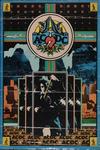
Main image: cover art from the album Tribal Voice (1991) by Yothu Yindi, which featured the single 'Treaty'.

Collections to explore

More in Stories+

Personalized your experience

Save, create and share

With NFSA Your Stuff