Steel corset
1930

Steel corset
1930
- NFSA IDX6YHW07T
- TypeImage
- MediumDocumentation
- FormInstructional, Advertisement (includes promotional), Still Image
- Year1930
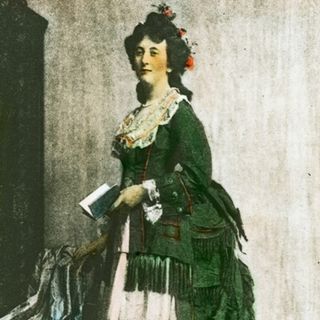
This educational glass slide would have been shown to prospective Berlei fitters. It depicts the 'earliest true corset made of steel for Catharine de Medias (sic) of France and a court Lady of the time of Catherine de Medici showing the effect of the steel corset'. Unlike corsets from the Victorian era and beyond which tended to create an hourglass figure, the fashion of the 1500s was for a funnel-like shape. It's now believed that Catherine de Medici (1519–1589), Queen of France, did not start the craze for fashion metal corsets. Rather, they were designed for orthopaedic support and correcting 'crookedness of the Bodie' (as French army surgeon Ambroise Paré called it).
This slide shows other fashions of the time for wealthy women including a hat featuring a feather, plucked hairline, a ruff worn around the neck to stop perspiration ruining garments, puffed sleeves, a fan and a stomacher - a stiffened triangular panel to further flatten the stomach and abdomen.
In addition to the corset, structured underwear called cartwheel farthingales used stiff hoops made from wire or cane, in conjunction with a roll of fabric around the waist called a bum roll, to make the gowns stand out more. This slide gives a historical context to the Berlei corset, making the corsets of the 1930s seem simultaneously softer and kinder but also traditional and beautiful in comparison to fashions of the 1500s.
Notes by Beth Taylor
This educational glass slide would have been shown to prospective Berlei fitters. It depicts the 'earliest true corset made of steel for Catharine de Medias (sic) of France and a court Lady of the time of Catherine de Medici showing the effect of the steel corset'. Unlike corsets from the Victorian era and beyond which tended to create an hourglass figure, the fashion of the 1500s was for a funnel-like shape. It's now believed that Catherine de Medici (1519–1589), Queen of France, did not start the craze for fashion metal corsets. Rather, they were designed for orthopaedic support and correcting 'crookedness of the Bodie' (as French army surgeon Ambroise Paré called it).
This slide shows other fashions of the time for wealthy women including a hat featuring a feather, plucked hairline, a ruff worn around the neck to stop perspiration ruining garments, puffed sleeves, a fan and a stomacher - a stiffened triangular panel to further flatten the stomach and abdomen.
In addition to the corset, structured underwear called cartwheel farthingales used stiff hoops made from wire or cane, in conjunction with a roll of fabric around the waist called a bum roll, to make the gowns stand out more. This slide gives a historical context to the Berlei corset, making the corsets of the 1930s seem simultaneously softer and kinder but also traditional and beautiful in comparison to fashions of the 1500s.
Notes by Beth Taylor
- NFSA IDX6YHW07T
- TypeImage
- MediumDocumentation
- FormInstructional, Advertisement (includes promotional), Still Image
- Year1930
Need to license this item? A/V professionals and researchers can shortlist licensing enquiries via our NFSA Pro catalogue search and membership.
Collections to explore



Glass slides



Television commercial

Fashion Design
Start your own collection
A free Your Stuff account allows you to save, organise and share your favourite videos, audio and stories.