The Old Man and the Inland Sea: 'I'm telling you the law'
2005
The Old Man and the Inland Sea: 'I'm telling you the law'
2005
- NFSA IDS0KK5MGR
- TypeTelevision
- MediumMoving Image
- FormDocumentary
- Duration20 mins
- GenresIndigenous themes or stories, Indigenous as subject
- Year2005
- WARNING: Aboriginal and Torres Strait Islander viewers are advised that the following program may contain images and/or audio of deceased persons
Walking through the mining fields, Norman tells us how the old people used to work the fields, but the young people don’t work anymore, and drink too much grog. Norman says that white people arrived with a noodling machine, and this allowed them to get a larger portion of the opals. Norman speaks about the greed of the white people who came in with bulldozers, and told them that the black fellas wanted some money too. Norman digs through a hill with a stick. Summary by Romaine Moreton.
- WARNING: Aboriginal and Torres Strait Islander viewers are advised that the following program may contain images and/or audio of deceased persons
Walking through the mining fields, Norman tells us how the old people used to work the fields, but the young people don’t work anymore, and drink too much grog. Norman says that white people arrived with a noodling machine, and this allowed them to get a larger portion of the opals. Norman speaks about the greed of the white people who came in with bulldozers, and told them that the black fellas wanted some money too. Norman digs through a hill with a stick. Summary by Romaine Moreton.
- NFSA IDS0KK5MGR
- TypeTelevision
- MediumMoving Image
- FormDocumentary
- Duration20 mins
- GenresIndigenous themes or stories, Indigenous as subject
- Year2005
- Production companyCAAMA ProductionsExecutive ProducerJacqui NorthSeries producerRachel ClementsDirectorWarwick ThorntonWriterWarwick Thornton
The competition for opals between the noodlers put the Indigenous peoples at a disadvantage through the lack of access to technology that would increase their haul. Norman explains that there seemed to be a sense of equity on the mining fields before the noodling machines and bulldozers arrived that allowed white noodlers to dominate.
The Old Man and The Inland Sea synopsis
A documentary about Mr Norman Hayes Jagamarra who was a 'noodler’ on the mining fields of Coober Pedy.
The Old Man and The Inland Sea curator's notes
Norman Hayes Jagamarra takes us back to the mining fields of Coober Pedy where he was a noodler after droving and brick making work dried up in his young years. An interesting tale of one man’s experience of noodling, and the sense of community he shared with other Indigenous people whilst doing this work. Most importantly, he refers to the old people who were already there, and gives recognition to the Indigenous people of the area. It allows us to ponder the effects of the dispossession that opal mining caused for the peoples who were the original custodians of the Coober Pedy area.
This program has also screened on NITV, National Indigenous Television.
Notes by Romaine Moreton
Education notes
This clip shows Norman Hayes Jagamarra walking through the mullocks of the opal mines around Coober Pedy talking about how he and the old people used to search for opal, and how many ‘whitefellas are getting greedy’ and taking too much opal. The mined landscape is shown, including a working noodling machine. Jagamarra uses a stick to dig around in a mullock heap for opal. He narrates his story in Aboriginal English and the clip includes English subtitles and slow mournful music.
Educational value points
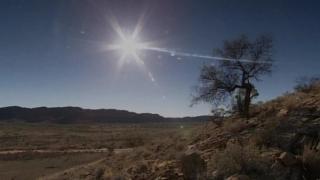
- The film and the soundtrack in the opening sequence of this clip invite the viewer to experience the country through Jagamarra’s eyes. The slow footage of a moonrise, of Jagamarra’s shadow on the earth as he walks along and the footage of him surveying the mined landscape combine with the pensive music to direct the viewer’s attention to the devastated nature of the country.
- The clip shows how the country around Coober Pedy, the traditional land of the Antakarinja and the Muntunjarra peoples, has been damaged by opal mining. The increased number of mining machines used for finding opals around Coober Pedy has had a devastating effect on the land, resulting in thousands of abandoned mine shafts. The waste material from the shafts form mullock heaps that resemble a lunar landscape.
- The clip shows the disadvantage experienced by the local Indigenous people since non-Indigenous miners introduced opal-mining machinery to Coober Pedy in the 1970s. The film alludes to this by showing Jagamarra digging around in the earth with a stick. He explains how the local people do not have access to noodling machines or bulldozers to gather opal and have relied mostly on working with picks and crowbars.
- Jagamarra indicates that he expects fair play to operate out on the mining claims and that he only wants his fair share of the opal. He claims that the excessive greed of the non-Indigenous miners is a problem as they have been taking more opal out of the ground and not leaving mullock heaps for the local Indigenous people to noodle through as they used to. Jagamarra mentions how the local people had earlier taken out formal mining claims to mine opal.
- In the film The Old Man and the Inland Sea, from which this clip is taken, Jagamarra speaks in Aboriginal English. As well as being integral to identity, Aboriginal English is an important form of communication for many Aboriginal people. Aboriginal English is a recognised dialect of English. Its form and structure incorporate words and language structures from English and from traditional Aboriginal languages.
Education notes provided by The Learning Federation and Education Services Australia
Need to license this item? A/V professionals and researchers can shortlist licensing enquiries via our NFSA Pro catalogue search and membership.
Collections to explore
Cars
Mining, oil and gas industry
Arrernte language
Start your own collection
A free Your Stuff account allows you to save, organise and share your favourite videos, audio and stories.


