Music creates the narrative in Jedda
1955
Music creates the narrative in Jedda
1955
- NFSA IDTQR2Q4B3
- TypeFilm
- MediumMoving Image
- FormFeature Film
- Duration1 hr, 25 mins
- GenresIndigenous themes or stories
- Year1955
- WARNING: Aboriginal and Torres Strait Islander viewers are advised that the following program may contain images and/or audio of deceased persons
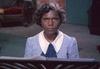
In this scene, Jedda (Rosalie Kunoth-Monks) sits and begins to play the piano in a European style. This music is directly associated with the actions occurring on screen (that is to say, diegetic music).
But as she continues to play the instrument, we begin to hear Aboriginal music (including clap sticks, didgeridoo and singing), which has no clear synchronisation or diegetic source (although the film makes a visual association with the Aboriginal implements hanging on the wall in front of Jedda).
The two forms of music (European piano music and Aboriginal music) begin to interfere with each other in her mind. The clash of the music emphasises Jedda’s torment and split identity, which is suggested when she becomes overwhelmed, stops playing and bangs her head on the piano.
This is yet another example of the efficiency and power of music in its ability to convey crucial narrative information.
- WARNING: Aboriginal and Torres Strait Islander viewers are advised that the following program may contain images and/or audio of deceased persons
In this scene, Jedda (Rosalie Kunoth-Monks) sits and begins to play the piano in a European style. This music is directly associated with the actions occurring on screen (that is to say, diegetic music).
But as she continues to play the instrument, we begin to hear Aboriginal music (including clap sticks, didgeridoo and singing), which has no clear synchronisation or diegetic source (although the film makes a visual association with the Aboriginal implements hanging on the wall in front of Jedda).
The two forms of music (European piano music and Aboriginal music) begin to interfere with each other in her mind. The clash of the music emphasises Jedda’s torment and split identity, which is suggested when she becomes overwhelmed, stops playing and bangs her head on the piano.
This is yet another example of the efficiency and power of music in its ability to convey crucial narrative information.
- NFSA IDTQR2Q4B3
- TypeFilm
- MediumMoving Image
- FormFeature Film
- Duration1 hr, 25 mins
- GenresIndigenous themes or stories
- Year1955
- Production companyCharles Chauvel ProductionsProducer and directorCharles Chauvel
Need to license this item? A/V professionals and researchers can shortlist licensing enquiries via our NFSA Pro catalogue search and membership.
Collections to explore



Feature film


Rosalie Kunoth-Monks

First Nations
Start your own collection
A free Your Stuff account allows you to save, organise and share your favourite videos, audio and stories.


