The Hayseeds: The Novelty of Sound
1933
The Hayseeds: The Novelty of Sound
1933
- NFSA IDAP4WB9KZ
- TypeFilm
- MediumMoving Image
- FormFeature Film
- Duration1 hr, 38 mins
- GenresComedy
- Year1933
Typical Beau Smith direction – there’s absolutely no explanation of what a line of dancing girls is doing on the edge of Dad Hayseed’s land, no establishing shots to give us a sense of the farm, no physical or even aural connection between the Hayseeds on their porch and the dancing line of girls (who are accompanied by a band).
The film was a JC Williamson production and Williamson's had a chorus line for their stage shows – which is presumably why they ended up in the scene. Still, audiences at the time were still enjoying the novelty of sound on film, and they probably enjoyed the incongruity of these scenes just as we do now.
Notes by Paul Byrnes
Additional notes on musical score
The 1930s was a time of significant change in Australian cinema. The arrival of synchronised sound, music and dialogue provided new opportunities for filmmakers and films.
Nonetheless, the tightly synchronised orchestral approach to scoring that typified many Hollywood, Europe and Russian films of that period did not gain traction in Australia until the 1940s.
This delay was largely a reflection of availability of technology in Australia, including a paucity of infrastructure for orchestral music composition and of the synchronisation of music-to-sound equipment, but also the unavailability of experienced Australian composers using the new medium.
Due to these limitations, much of the music was simply broadcast, played over the images or, as we can see in this clip, performed as part of the action.
The arrival of sound was at first perhaps a novelty and sometimes – as this clip demonstrates – had no obvious connection to the film itself.
Notes by Johnny Milner
Typical Beau Smith direction – there’s absolutely no explanation of what a line of dancing girls is doing on the edge of Dad Hayseed’s land, no establishing shots to give us a sense of the farm, no physical or even aural connection between the Hayseeds on their porch and the dancing line of girls (who are accompanied by a band).
The film was a JC Williamson production and Williamson's had a chorus line for their stage shows – which is presumably why they ended up in the scene. Still, audiences at the time were still enjoying the novelty of sound on film, and they probably enjoyed the incongruity of these scenes just as we do now.
Notes by Paul Byrnes
Additional notes on musical score
The 1930s was a time of significant change in Australian cinema. The arrival of synchronised sound, music and dialogue provided new opportunities for filmmakers and films.
Nonetheless, the tightly synchronised orchestral approach to scoring that typified many Hollywood, Europe and Russian films of that period did not gain traction in Australia until the 1940s.
This delay was largely a reflection of availability of technology in Australia, including a paucity of infrastructure for orchestral music composition and of the synchronisation of music-to-sound equipment, but also the unavailability of experienced Australian composers using the new medium.
Due to these limitations, much of the music was simply broadcast, played over the images or, as we can see in this clip, performed as part of the action.
The arrival of sound was at first perhaps a novelty and sometimes – as this clip demonstrates – had no obvious connection to the film itself.
Notes by Johnny Milner
- NFSA IDAP4WB9KZ
- TypeFilm
- MediumMoving Image
- FormFeature Film
- Duration1 hr, 38 mins
- GenresComedy
- Year1933
- Production companyJC Williamson PicturesProducer, director and writerBeaumont SmithMusicFrank Morton Chappell and Alfred J Lawrence
Need to license this item? A/V professionals and researchers can shortlist licensing enquiries via our NFSA Pro catalogue search and membership.
Collections to explore


Feature film

1930s

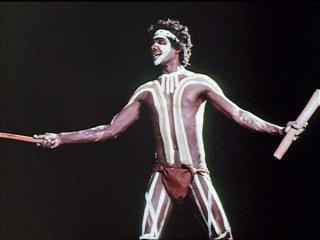
Dance performance
Start your own collection
A free Your Stuff account allows you to save, organise and share your favourite videos, audio and stories.


