The Goolagong Story
1971
The Goolagong Story
1971
- WARNING: Aboriginal and Torres Strait Islander viewers are advised that the following program may contain images and/or audio of deceased persons
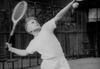
Evonne Goolagong Cawley’s journey is one of the most powerful chapters in Australian sporting history. This NFSA-preserved footage offers a rare look at her early life, her emergence as a rising star and the media attention that followed her every step.
As a young Wiradjuri girl growing up in Barellan, Evonne honed her skills with a homemade paddle and a water tank for a wall. Within a few years, she was competing on the world stage, emerging as the first Indigenous Australian to win a Grand Slam singles title and later becoming a two-time Wimbledon champion.
In this clip from a 1972 Commonwealth Film Unit production, Evonne speaks openly about how the media treated her as a showpiece – repeatedly referencing her Aboriginality. Yet she also reflects on the immense pride she felt in being the only Indigenous Australian tennis player on the international tour, even as she navigated the scrutiny and expectations placed upon her.
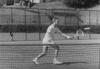
The film also captures her in action, showing off her athletic, all-court game. Seen here is rare footage of the 20-year-old player up against fellow future Australian Tennis Hall of Fame inductee Jan O’Neill, in the women’s singles final of the 1972 New South Wales Hardcourt Championships held at Grenfell. Goolagong Cawley would win comfortably – 6-1, 6-2 – capping a hugely successful state championships, also winning the women’s doubles and mixed doubles events.
Eight years later, Evonne Goolagong Cawley would win her second Wimbledon Women’s Singles Championship in 1980, the first mother to win the English title in 66 years.
Her success as a champion and sporting role model paved the way for future generations of Australian women’s players, including Ash Barty. Goolagong Cawley’s enduring advocacy for Indigenous health, education and opportunities through sport continues to influence Australia today.
- WARNING: Aboriginal and Torres Strait Islander viewers are advised that the following program may contain images and/or audio of deceased persons
Evonne Goolagong Cawley’s journey is one of the most powerful chapters in Australian sporting history. This NFSA-preserved footage offers a rare look at her early life, her emergence as a rising star and the media attention that followed her every step.
As a young Wiradjuri girl growing up in Barellan, Evonne honed her skills with a homemade paddle and a water tank for a wall. Within a few years, she was competing on the world stage, emerging as the first Indigenous Australian to win a Grand Slam singles title and later becoming a two-time Wimbledon champion.
In this clip from a 1972 Commonwealth Film Unit production, Evonne speaks openly about how the media treated her as a showpiece – repeatedly referencing her Aboriginality. Yet she also reflects on the immense pride she felt in being the only Indigenous Australian tennis player on the international tour, even as she navigated the scrutiny and expectations placed upon her.
The film also captures her in action, showing off her athletic, all-court game. Seen here is rare footage of the 20-year-old player up against fellow future Australian Tennis Hall of Fame inductee Jan O’Neill, in the women’s singles final of the 1972 New South Wales Hardcourt Championships held at Grenfell. Goolagong Cawley would win comfortably – 6-1, 6-2 – capping a hugely successful state championships, also winning the women’s doubles and mixed doubles events.
Eight years later, Evonne Goolagong Cawley would win her second Wimbledon Women’s Singles Championship in 1980, the first mother to win the English title in 66 years.
Her success as a champion and sporting role model paved the way for future generations of Australian women’s players, including Ash Barty. Goolagong Cawley’s enduring advocacy for Indigenous health, education and opportunities through sport continues to influence Australia today.
- CollectionFilm AustraliaProduction companyCinesound Movietone Productions
Need to license this item? A/V professionals and researchers can shortlist licensing enquiries via our NFSA Pro catalogue search and membership.
Collections to explore



Women in sport


Tennis


Rod Laver
Start your own collection
A free Your Stuff account allows you to save, organise and share your favourite videos, audio and stories.


