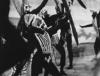
Etude de concert in F minor and Etude de concert in A flat major by Eileen Joyce
1933
Etude de concert in F minor and Etude de concert in A flat major by Eileen Joyce
1933
- NFSA IDRNQ3AFTP
- TypeMusic and Sound Recordings
- MediumAudio
- FormMusic
- GenresClassical music
- Year1933
Eileen Joyce (1908–1991) was an Australian piano prodigy whose international career spanned more than 30 years.
Born in Zeehan, Tasmania, she studied in Perth and at the Leipzig Conservatorium before making her professional debut in London in 1930.
In 1933, she made the first of her many recordings, Franz Liszt's ‘Transcendental Étude in F minor’ and Paul de Schlözer's ‘Étude in A-flat, Op. 1, No. 2’, for Parlophone.
Joyce had recorded the Liszt work at her own expense and Parlophone was sufficiently impressed by the recording to purchase it from her and request a side B.
This record, and her other early records for Parlophone, are noted for their precision and clarity of articulation, which became a hallmark of her performance and recording career.
During the 1930s and 1940s her recordings brought her international acclaim, particularly during the Second World War. When she performed in the United States in 1950, music critic and historian Irving Kolodin called her ‘the world's greatest unknown pianist’.
Image: Eileen Joyce, pianist. 1958. Courtesy Libraries Tasmania
Eileen Joyce (1908–1991) was an Australian piano prodigy whose international career spanned more than 30 years.
Born in Zeehan, Tasmania, she studied in Perth and at the Leipzig Conservatorium before making her professional debut in London in 1930.
In 1933, she made the first of her many recordings, Franz Liszt's ‘Transcendental Étude in F minor’ and Paul de Schlözer's ‘Étude in A-flat, Op. 1, No. 2’, for Parlophone.
Joyce had recorded the Liszt work at her own expense and Parlophone was sufficiently impressed by the recording to purchase it from her and request a side B.
This record, and her other early records for Parlophone, are noted for their precision and clarity of articulation, which became a hallmark of her performance and recording career.
During the 1930s and 1940s her recordings brought her international acclaim, particularly during the Second World War. When she performed in the United States in 1950, music critic and historian Irving Kolodin called her ‘the world's greatest unknown pianist’.
Image: Eileen Joyce, pianist. 1958. Courtesy Libraries Tasmania
- NFSA IDRNQ3AFTP
- TypeMusic and Sound Recordings
- MediumAudio
- FormMusic
- GenresClassical music
- Year1933
Need to license this item? A/V professionals and researchers can shortlist licensing enquiries via our NFSA Pro catalogue search and membership.
Collections to explore

Classical music

1930s


Musical theatre and show tunes
Start your own collection
A free Your Stuff account allows you to save, organise and share your favourite videos, audio and stories.