Derryn Hinch pays tribute to Lillian Roxon
1973
Derryn Hinch pays tribute to Lillian Roxon
1973
- NFSA ID2TKW69XN
- TypeRadio
- MediumAudio
- FormSpoken word
- Year1973
Lillian Roxon’s friend and colleague Derryn Hinch reflects on her talent and legacy during a broadcast of Today With Brian White on 2GB in Sydney on 13 August 1973, just days after Roxon’s death.
He calls her ‘a free spirit’ and ‘ahead of her time’. The two worked together as journalists in New York in the early 1970s.
It is obvious from the emotion in Hinch’s voice and the way his anecdotes about Roxon run together that he is still in shock from her death. This conversation is made more emotional by interviewer Brian White also having a personal connection to Roxon. Both regarded her highly and wish for her to be remembered as a significant voice in journalism.
Hinch comments that Roxon was becoming increasingly fed up with the drugs and violence that had become part of the rock scene. The drug-related deaths of Janis Joplin and Jimi Hendrix in 1970 and Jim Morrison in 1971 particularly upset her.
Roxon wrote a weekly music column for the Sunday New York Daily News. With Australians far away from Roxon’s main fan base in America, Hinch is keen to point out her popularity and influence, remarking that she received thousands of letters every week from music fans.
He also asserts her talent for understanding the importance of cultural trends – such as writing about the flower children movement in 1966 and '67 when other mainstream journalists weren’t taking the influential counter-culture seriously.
The interview is interesting because Hinch touches on several aspects of Roxon’s life, work and passions. He mentions what has become a central story about Roxon, relating to her antagonistic friendship with Australian writer Germaine Greer.
Greer famously dedicated her 1970 feminist classic The Female Eunuch 'to Lillian, who lives with nobody but a colony of New York roaches, whose energy has never failed despite her anxieties and her asthma and her overweight [sic], who is always interested in everybody, often angry, sometimes bitchy, but always involved …'
We’ll likely never know what Greer intended by her comments, but Roxon was livid and her friends defend her to the end.
The intermittent beeps audible in the recording signify that this was a long-distance call and were not uncommon in radio phone interviews in the 1960s and '70s.
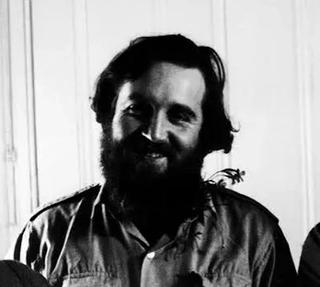
The cover image of this title is a photograph of Roxon at the launch of her book Lillian Roxon's Rock Encyclopedia (1969), courtesy of the family of Lillian Roxon and the book Mother of Rock: The Lillian Roxon Story by Robert Milliken (Black Inc 2002).
Notes by Beth Taylor
Lillian Roxon’s friend and colleague Derryn Hinch reflects on her talent and legacy during a broadcast of Today With Brian White on 2GB in Sydney on 13 August 1973, just days after Roxon’s death.
He calls her ‘a free spirit’ and ‘ahead of her time’. The two worked together as journalists in New York in the early 1970s.
It is obvious from the emotion in Hinch’s voice and the way his anecdotes about Roxon run together that he is still in shock from her death. This conversation is made more emotional by interviewer Brian White also having a personal connection to Roxon. Both regarded her highly and wish for her to be remembered as a significant voice in journalism.
Hinch comments that Roxon was becoming increasingly fed up with the drugs and violence that had become part of the rock scene. The drug-related deaths of Janis Joplin and Jimi Hendrix in 1970 and Jim Morrison in 1971 particularly upset her.
Roxon wrote a weekly music column for the Sunday New York Daily News. With Australians far away from Roxon’s main fan base in America, Hinch is keen to point out her popularity and influence, remarking that she received thousands of letters every week from music fans.
He also asserts her talent for understanding the importance of cultural trends – such as writing about the flower children movement in 1966 and '67 when other mainstream journalists weren’t taking the influential counter-culture seriously.
The interview is interesting because Hinch touches on several aspects of Roxon’s life, work and passions. He mentions what has become a central story about Roxon, relating to her antagonistic friendship with Australian writer Germaine Greer.
Greer famously dedicated her 1970 feminist classic The Female Eunuch 'to Lillian, who lives with nobody but a colony of New York roaches, whose energy has never failed despite her anxieties and her asthma and her overweight [sic], who is always interested in everybody, often angry, sometimes bitchy, but always involved …'
We’ll likely never know what Greer intended by her comments, but Roxon was livid and her friends defend her to the end.
The intermittent beeps audible in the recording signify that this was a long-distance call and were not uncommon in radio phone interviews in the 1960s and '70s.
The cover image of this title is a photograph of Roxon at the launch of her book Lillian Roxon's Rock Encyclopedia (1969), courtesy of the family of Lillian Roxon and the book Mother of Rock: The Lillian Roxon Story by Robert Milliken (Black Inc 2002).
Notes by Beth Taylor
- NFSA ID2TKW69XN
- TypeRadio
- MediumAudio
- FormSpoken word
- Year1973
- PresenterBrian White
Need to license this item? A/V professionals and researchers can shortlist licensing enquiries via our NFSA Pro catalogue search and membership.
Collections to explore

Derryn Hinch

Obituaries

1970s
Start your own collection
A free Your Stuff account allows you to save, organise and share your favourite videos, audio and stories.