Changing waistline
1931

Changing waistline
1931
- NFSA IDYHA3VQV5
- TypeImage
- MediumDocumentation
- FormInstructional, Advertisement (includes promotional), Still Image
- Year1931
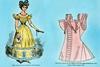
This glass slide illustrates the difference in corset waistlines from 1900 to 1931 in five steps. It was used as part of the Berlei training for prospective fitters.
Suspenders for stockings are visible in all the designs after 1900. The 1900 corset pictured is called the s-bend style and accentuates the bust and hips whilst restricting the waist for an hourglass look. During the First World War women took up jobs traditionally done by men and fashion needed to be plainer and more practical.
The 1920s saw the beginning of a fashion revolution with 'bright young things', known as flappers, wearing more liberating fashions, showing more flesh, chopping their hair into bobs and favouring a more boyish (corsetless) look without the accentuated waist, breasts or hips. Berlei were understandably against the fashion of going corsetless and educated their fitters about the supposed damage such a trend could wreak on a woman's digestive and reproductive health.
Notes by Beth Taylor
This glass slide illustrates the difference in corset waistlines from 1900 to 1931 in five steps. It was used as part of the Berlei training for prospective fitters.
Suspenders for stockings are visible in all the designs after 1900. The 1900 corset pictured is called the s-bend style and accentuates the bust and hips whilst restricting the waist for an hourglass look. During the First World War women took up jobs traditionally done by men and fashion needed to be plainer and more practical.
The 1920s saw the beginning of a fashion revolution with 'bright young things', known as flappers, wearing more liberating fashions, showing more flesh, chopping their hair into bobs and favouring a more boyish (corsetless) look without the accentuated waist, breasts or hips. Berlei were understandably against the fashion of going corsetless and educated their fitters about the supposed damage such a trend could wreak on a woman's digestive and reproductive health.
Notes by Beth Taylor
- NFSA IDYHA3VQV5
- TypeImage
- MediumDocumentation
- FormInstructional, Advertisement (includes promotional), Still Image
- Year1931
Need to license this item? A/V professionals and researchers can shortlist licensing enquiries via our NFSA Pro catalogue search and membership.
Collections to explore


Fashion Design


Television commercial



1930s
Start your own collection
A free Your Stuff account allows you to save, organise and share your favourite videos, audio and stories.


