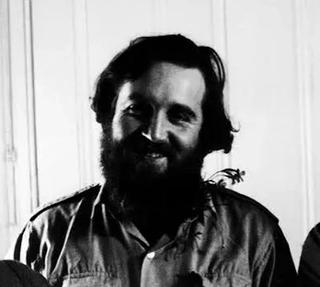
Australia Daze: World's oldest living culture
1988
Australia Daze: World's oldest living culture
1988
- NFSA IDC2QNQJB7
- TypeFilm
- MediumMoving Image
- FormDocumentary
- Duration1 hr, 15 mins, 23 secs
- GenresIndigenous as subject
- Year1988
- WARNING: Aboriginal and Torres Strait Islander viewers are advised that the following program may contain images and/or audio of deceased persons
An Aboriginal protest march took place on Australia’s bicentenary 26 January 1988. An Aboriginal speaker describes the invasion of Australia and the resulting problems of dispossession and poverty. She also says it is a day to celebrate the survival of Aboriginal people. Summary by Damien Parer.
The woman speaking is the Honourable Linda Burney who is an Australian politician. She was the first Aboriginal person to serve in the NSW parliament and in 2016 she became the first Aboriginal woman to be elected to the Australian House of Representatives, winning the federal seat of Barton.
She says '200 years ago, this country was invaded. It was invaded by people that came in and claimed this country under the lie of terra nullius. Empty land, it's not an empty land. It was a land that's been occupied since time immemorial ... this is a year of mourning but it's also a celebration of survival because we've come through a genocide that's been so vicious and so intense that it's amazing that we've survived. We're the oldest living culture in this world and we're proud of it.'
Notes by Beth Taylor
- WARNING: Aboriginal and Torres Strait Islander viewers are advised that the following program may contain images and/or audio of deceased persons
An Aboriginal protest march took place on Australia’s bicentenary 26 January 1988. An Aboriginal speaker describes the invasion of Australia and the resulting problems of dispossession and poverty. She also says it is a day to celebrate the survival of Aboriginal people. Summary by Damien Parer.
The woman speaking is the Honourable Linda Burney who is an Australian politician. She was the first Aboriginal person to serve in the NSW parliament and in 2016 she became the first Aboriginal woman to be elected to the Australian House of Representatives, winning the federal seat of Barton.
She says '200 years ago, this country was invaded. It was invaded by people that came in and claimed this country under the lie of terra nullius. Empty land, it's not an empty land. It was a land that's been occupied since time immemorial ... this is a year of mourning but it's also a celebration of survival because we've come through a genocide that's been so vicious and so intense that it's amazing that we've survived. We're the oldest living culture in this world and we're proud of it.'
Notes by Beth Taylor
- NFSA IDC2QNQJB7
- TypeFilm
- MediumMoving Image
- FormDocumentary
- Duration1 hr, 15 mins, 23 secs
- GenresIndigenous as subject
- Year1988
- ProducerGraeme IsaacAssistant producerAnna Grieve, Dennis O'RourkeCo-producerPat FiskeOverall directorPat FiskeSegment directorsJeni Kendall, Graham Chase, Gordon Taylor, Trevor Graham, John Hughes, Nick Torrens, Paul Tait, Tony Steinbecker, Tony Jones, Karin Altmann, Mario Andreacchio, Dennis O'Rourke, Sharon Connolly, Christine Sammers, Penny McDonald, Sue Cornwell, Ruth Cullen,Original musicDavood Tabrizi
An interesting film in that the action took place on one day. Twenty-nine camera crews were briefed to record the celebrations in different parts of the country. Emphasis was placed on recording the Aboriginal protest as five directors were covering the event.
Australia Daze synopsis
An observational documentary shot on the bicentennial anniversary of Australia’s European settlement. Twenty-nine directors working all over Australia have contributed segments as Australians celebrated 26 January 1988. Dissent was voiced to draw attention to the plight of contemporary Aborigines.
Notes by Damien Parer.
Additional curator's notes
Australian Daze is set during the 1988 bicentennial celebrations of Australian settlement. Concurring with this moment in colonial history is Indigenous resistance to colonisation and settlement. In 1988, thousands of Indigenous people travelled to Sydney to protest the celebration of the arrival of British settlement.
Australian Daze documents the different preparations for the historic day by people of different demographics and cultures. The vocal presence of Indigenous peoples who gathered to celebrate survival is symbolic of the underlying issues regarding Australian race relations that survive into the present, and that is the Indigenous voice and perspective has largely been excluded from the Australian historical narrative, and the perception that Indigenous Australians represented an antagonistic presence on 26 January 1988 is synonymous with the exclusion of Indigenous people from Australian nationhood.
Australia Daze provides an interesting snapshot of Australia on the day that 200 years of settlement was celebrated. In regards to the Indigenous gathering, it was a powerful moment in the history of Indigenous resistance to settlement. The Council for Reconciliation was later established in 1991 with the intention of making a more congruous relationship between Indigenous and non-Indigenous Australians.
National Reconciliation Week was first celebrated in 1996, and falls between 27 May and 3 June. Both are significant dates in regard to the relationship between Indigenous and non-Indigenous peoples with 27 May being the anniversary of the 1967 Referendum in which 90% of Australians voted to remove clauses in the constitution that discriminated against Indigenous peoples, and 3 June is the day that the High Court handed down its judgement in the Mabo case. In January 2001, the Council for Aboriginal Reconciliation was replaced with a new private body, Reconciliation Australia.
Notes by Romaine Moreton
Need to license this item? A/V professionals and researchers can shortlist licensing enquiries via our NFSA Pro catalogue search and membership.
Collections to explore
Demonstrations, rallies and marches
.jpg?w=100&h=75&auto=format)
Documentary

1980s
Start your own collection
A free Your Stuff account allows you to save, organise and share your favourite videos, audio and stories.


.jpg?w=640&h=480&auto=format)