Alyawarre Country: Houses
2001
Alyawarre Country: Houses
2001
- WARNING: Aboriginal and Torres Strait Islander viewers are advised that the following program may contain images and/or audio of deceased persons
Sepia-toned footage of a re-enactment of white pastoralists in conflict with local Indigenous people is intercut with an interview with two elders telling us the tale of how the white people took over the land and captured all the Indigenous women. In the old days, the elders tell us, people used to travel by foot to Kurundi, Koronelli and Epenara. Summary by Romaine Moreton.
- WARNING: Aboriginal and Torres Strait Islander viewers are advised that the following program may contain images and/or audio of deceased persons
Sepia-toned footage of a re-enactment of white pastoralists in conflict with local Indigenous people is intercut with an interview with two elders telling us the tale of how the white people took over the land and captured all the Indigenous women. In the old days, the elders tell us, people used to travel by foot to Kurundi, Koronelli and Epenara. Summary by Romaine Moreton.
- Production companyCAAMA ProductionsExecutive ProducerPriscilla Collins (AKA Cilla Collins)Series producerJacqueline Bethel (AKA Jacqui Bethel)DirectorMichael Liddle
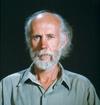
Reggie Camphoo Pwerl and Donald Thompson Kemarre tell us a yarn about the history of this area. They sit on the ground and tell us how the whites first arrived in this area, and of the conflict when the pastoralists shot the Indigenous peoples and stole the women. Stylistically, observational-style footage is intercut with historical footage, both real and constructed re-enactment . We as the audience are framed so that we sit on the ground with the elders. The history of the area unfolds like a yarn, and the voices of the two elders, who continually negotiate the story between them, set the tone for this clip and indeed the film. The use of natural sounds occurring in the landscape and the decision not to use a soundtrack allows this clip to be driven by the story as told by these two elders.
Alyawarre Country synopsis
A documentary about how, in January 1889, cattle arrived in the Frew River area, and changed the lives of the local Indigenous peoples forever.
Alyawarre Country curator's notes
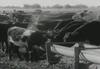
Alyawarre Country begins the tale by talking about the arrival of pastoralists. The Indigenous people developed a taste for imported animals such as cattle, due mostly to its high fat content, and this ultimately led to armed conflict between the two groups. It was incidents such as these that saw the arrival of the first police presence. Mounted Constable Jones arrived in Frew River on December 19 in 1918 and built a police station. The general history of the area is one of conflict between whites and Indigenous peoples.
The area was a rich in tungsten, and two elders talk to us about their experience of working in the mines, and being paid fifty cents a week. Reggie Camphoo Pwerl and Donald Thompson Kemarre pay homage to the old people who told them the stories of the Frew River area – two Indigenous men, the only survivors in the area, George Wickham and Lame Tommy. As we follow them through their yarn, we journey from the area’s pastoral beginnings to its mining era.
Notes by Romaine Moreton
Need to license this item? A/V professionals and researchers can shortlist licensing enquiries via our NFSA Pro catalogue search and membership.
Collections to explore

First Nations
Mining, oil and gas industry
The Dreamtime
Start your own collection
A free Your Stuff account allows you to save, organise and share your favourite videos, audio and stories.


